

0 引言
当今世界正经历百年未有之大变局,交通系统正在新一轮科技革命推动下发生深刻变革。交通系统由驾驶人、运载工具、基础设施及交通环境等组成,是一个复杂的、有人参与的“信息-物理-社会”系统(Cyber-Physical-Social System, CPSS),其最终目标是实现安全、便捷、高效、绿色、经济的现代化交通体系,为人们出行、社会经济活动、国防建设等提供有力支撑。但是,当前我国的交通系统仍然存在三大难题:交通安全、交通效率和节能减排。
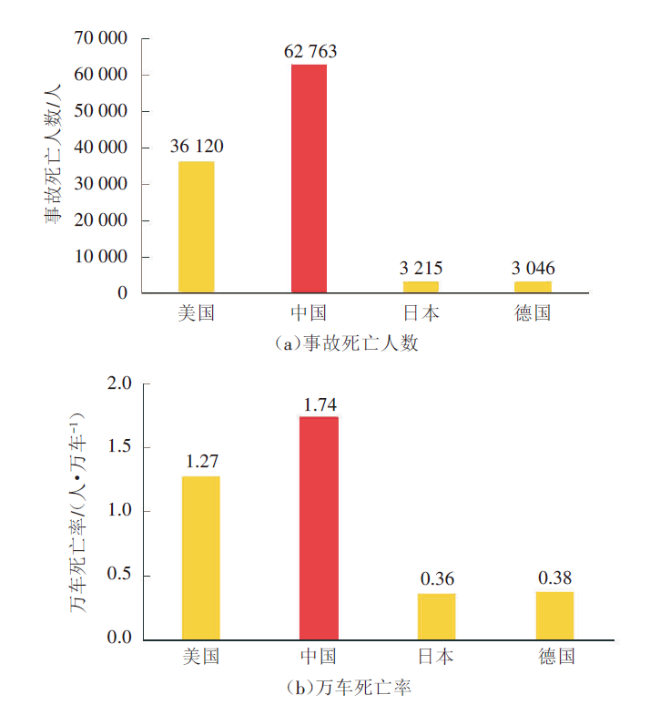
一是交通安全水平仍需提升。公安部交通管理局发布的《道路交通事故统计年报》显示:2019年,我国道路交通事故1 247.3万起,死亡62 763人,受伤256 101人,直接财产损失13.5亿元。从世界范围内对比来看,在道路交通事故死亡人数、万车死亡率方面,我国与发达国家仍有较大差距(如图1 所示)。
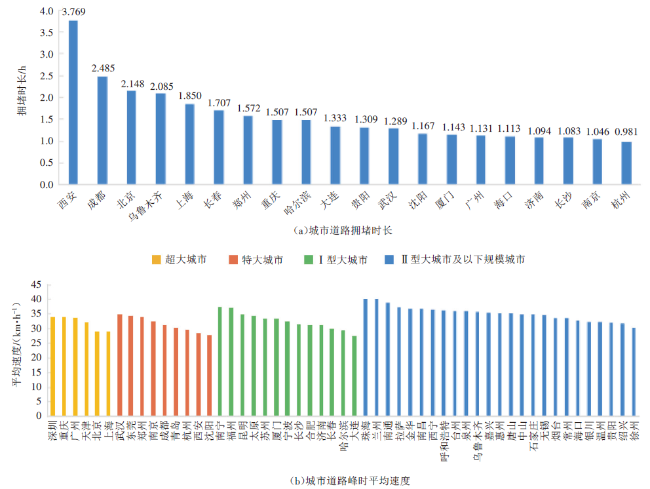
二是交通系统运行效率尚待提高。在道路与水路交通运输方面,我国存在城市道路交通拥堵常态化、高速公路节假日拥堵加剧、内河航道利用率有待提高等诸多问题。滴滴出行发布的《城市交通出行报告》显示:2021年第一季度,我国主要城市的道路交通拥堵时长在1小时以上,道路交通峰时平均速度低于40千米/小时(见图2 )。
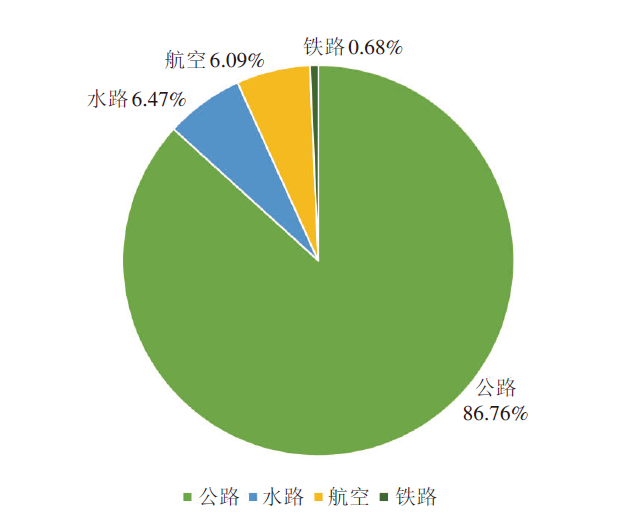
三是交通系统节能减排任重道远。根据国家统计局发布的《中国能源统计年鉴2020》测算,2019年我国交通运输行业碳排放量约为11.4亿吨,占全国碳排放总量的11%。公路、水运、铁路、航空是交通领域碳排放主要来源,其中,公路运输碳排放占比86.76%,是碳排放量最高的运输方式(如图3 所示)[1]。
1 发展现状
智能交通系统的核心是利用现代信息技术对传统的运载工具与交通系统进行升级与改造,从而形成智能化、网联化的新一代交通运输体系。近年来,在物联网、大数据、人工智能等新兴技术的大力推动下,智能交通系统也有了长足发展。一方面,智能感知、路径规划、决策控制等人工智能领域的最新技术正广泛应用于运载工具之中,促使其朝着协同化、无人化的方向演进[4];另一方面,模式识别、无线通信、信息融合等新兴技术极大地促进了交通系统在信息采集、处理和传输等方面的便捷性和有效性。
1.1 智能汽车发展现状
自动驾驶是智能汽车发展的高级阶段,它涵盖了电子信息、自动控制、计算机、地理信息、人工智能、车辆工程等多个技术领域,是当今智能交通领域最前沿的研究方向。自动驾驶系统赋予汽车以感知、决策和控制等综合能力,独立、自主地完成驾驶任务,而不需要人类帮助。自动驾驶系统主要利用各种车载传感器,如计算机视觉、激光雷达、毫米波雷达、全球卫星导航系统(Global Navigation Satellite System, GNSS)、惯性测量单元(Inertial Measurement Unit, IMU)等,获取车辆周边的环境信息,基于信息融合方法,对采集到的交通环境与行车状态等原始信息进行精确认知[7],再通过智能决策规划方法,为自动驾驶汽车规划出安全、高效的预期轨迹与速度,最后通过对自动驾驶汽车进行纵横向运动控制,自动调节油门、刹车、档位和转向等[8],实现对预期轨迹与速度的实时跟踪[9],从而使得汽车能够安全、高效地行驶。
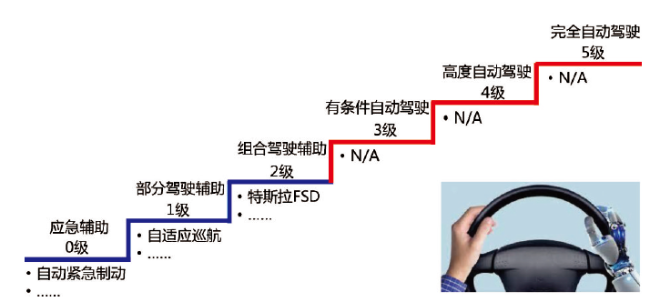
一个理想的自动驾驶系统应该像熟练的人类驾驶员一样,能对车辆运动及环境变化作出准确的判断,实时地改变车辆运动,完成驾驶任务[10]。然而,限于自动驾驶在感知、融合、决策、规划、控制等多方面的技术难题,以及成本、可靠性等方面的束缚,当前,大规模量产的智能汽车仍处于L2级及以下的驾驶辅助阶段,L3级及以上的自动驾驶仍未跨越。图4 所示为工业和信息化部发布的《汽车驾驶自动化分级》(GB/T 40429—2021)作出的描述。
当前,甚至未来较长一段时间内,普通开放道路中的自动驾驶技术可能仍难以大规模商用。但是,在一些特定场景中的自动驾驶正在逐步规模化应用,例如,港区集装箱运输、矿区货物运输和农业机械等,无人化的自动驾驶技术,变革了它们原有的低效、繁重、高成本的工作模式,显著提升了运营效率和经济性。
港区集装箱运输为半封闭式的低速运营模式,是自动驾驶率先商用的典型场景之一,国家也出台了相关政策来指导这一应用。交通运输部等九部门联合印发的《关于建设世界一流港口的指导意见》提出:到2025年,部分沿海集装箱枢纽港初步形成全面感知、泛在互联、港车协同的智能化系统。目前,国内应用自动驾驶进行集装箱运输的港口主要包括上海港、青岛港、天津港、宁波舟山港等。
采矿业是我国国民经济的基础和支柱产业,用工难、运输成本上升是推动矿山智慧化的主要因素,因而矿区自动驾驶具有典型的代表意义[11]。海外矿区自动驾驶的主要代表是大型工程机械公司,如卡特彼勒、小松、日立等。其中,卡特彼勒和小松已进入商用阶段。国内矿山自动驾驶发展相对较晚,但技术更新和应用较快,三一重工、徐工、航天重工等在白云鄂博矿、哈尔乌素煤矿、城门山铜矿等开展了规模应用,取得了良好效果。
1.2 智能船舶发展现状
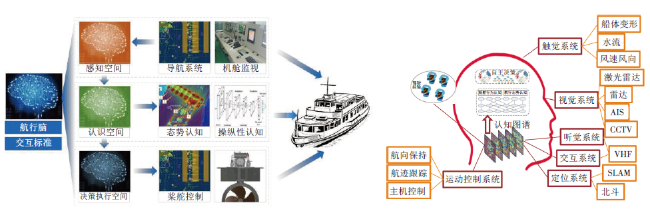
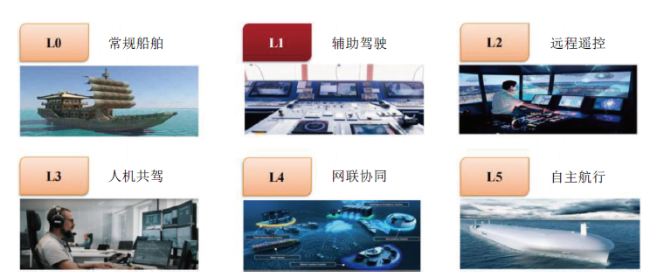
船舶的智能化可分为L0级到L5级的6个等级(如图6 所示)。目前,智能船舶应用还处于辅助驾驶阶段,要完全实现自主航行,还有很长的路要走。随着人工智能和大数据等高新技术的进步,通过与新基建建设同步、与水路运输模式和航运转型发展结合,未来智能船舶的远程遥控、人机共驾、网联协同和自主航行等功能会日臻完善[14]。
船岸协同是智能船舶发展中一个非常重要的理念[15]。船岸协同由岸端与船端系统构成,是实现智能船舶实际运营的应用基础。日本、欧盟等国家和地区都开展了这方面的探索和实验。日本国土交通省拖轮远程驾驶项目通过拖轮配备传感器和摄像设备,实时监测航行态势,通过船岸协同与试验船舶建立信息共享,实现协同控制。比利时SEAFAR驳船远程驾驶项目融合船侧/基础设施侧多源信息,实现协同感知,并远程实时分析船舶动态,进行多船舶集中管理和操作。我国在这方面也开展了积极探索:“筋斗云0号”小型无人货船项目于2019年12月在珠海顺利完成远程遥控和自主航行试验;“智飞号”智能航行集装箱运输商船于2021年10月安装我国自主研发的智能航行系统,具有人工驾驶、远程遥控驾驶和无人自主航行等三种驾驶模式。
在船舶辅助驾驶方面,国内首艘应用人工智能并投入实际营运的汽渡船舶[16],搭载了基于“航行脑”架构开发的“汽渡智能辅助驾驶系统”,可实现两大功能:①船端智能感知,通过融合雷达和AIS数据实现对水中动静态障碍物的识别,增强了夜航、雾航、雨天等不良自然条件下的感知能力;②岸基智能监管,可对航行船只和监管水域实现全程监控、远程监控,提供分米级精度的船间距离监测,为驾驶员提供精确预警并推荐优化航线。这一系统目前在南京板桥汽渡、舟山普陀山汽渡得到应用。
1.3 道路智能交通系统发展现状
道路交通系统是由汽车、道路基础设施、运输基础设施、信息和人组成的一个共同完成汽车客货运输的系统[17]。该系统包括自然与人造、实体与概念、静态与动态、控制与行为等系统,衍生到城市大脑、智慧城市、全息交通感知等应用场景。
(1)阿里云城市大脑系统
目前,国内外都在积极探索道路交通系统的智能化。国内比较典型的是“阿里云城市大脑系统”。该系统包括城市交通治理解决方案、智慧交通运输综合解决方案、智慧停车综合解决方案、智慧城管解决方案、智慧应急综合解决方案、政务数据中台等多个解决方案。城市大脑系统是整个城市的智能中枢,可对城市进行全局实时分析,利用城市的数据资源优化调配公共资源,最终将进化成能够治理城市的超级智能。
(2)华为智慧城市系统
华为智慧城市平台是结合了人工智能、物联网、大数据、地理信息系统、视频、云、融合通信和安全的一个综合性应用系统。它的两大关键能力是:面向城市交通的关键业务场景、为生态伙伴提供差异化价值。智慧城市将New ICT技术深度融入政府业务服务和城市应用服务中,推动数字经济的发展,改善人民的生活水平,实现兴业、善政、利民的目标。
(3)全息交通感知系统
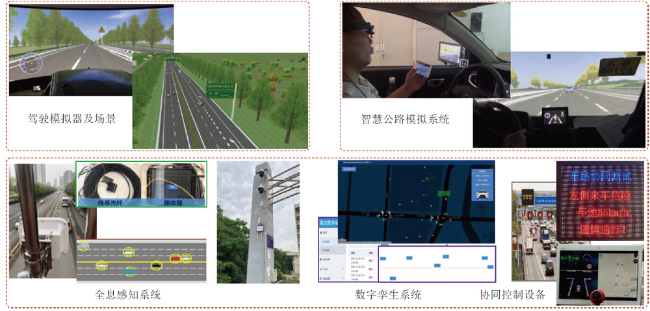
武汉理工大学自主研发了全息交通感知系统,包括利用仿真系统对交通基础设施的安全性进行评价,在道路交通基础设施建设过程中预设光纤传感器,利用光纤传感器实时获取道路交通流状况信息及路面变化信息。同时,利用路侧和路面的交通基础设施提供有关信息,为行车安全提供更好的支持和服务。如图7 所示,该系统包括道路系统运行仿真系统、智慧公路模拟系统和智慧公路全息感知决策控制平台等。
1.4 智慧海事监管系统发展现状
由国际运输工人联合会和世界海事大学共同制作发布的题为《交通运输2040:自动化、技术与就业》的报告预测,到2040年左右,有人监控下的自主船舶将达到15%左右,包括未来搭载了不同智能功能的船舶,比如智能货物管理、智能船体、智能集成信息平台等,也包括安全辅助驾驶和在开阔水域控制等高级自主功能[18]。因此,智能船舶对智慧海事监管系统的发展提出了迫切的需求。
(1)瑞士海区整体监管系统
瑞士的海区整体监管系统(Maritime Area Integral Supervision, MAIS)建立了一系列集成各种技术的信息层,以监控海区中船舶作业的授权情况,以更好地对辖区内船舶进行管理和控制。MAIS可以帮助港口禁区、生物保护区和渔场防止入侵者和非法捕鱼。
(2)江苏段航运系统智能管控平台
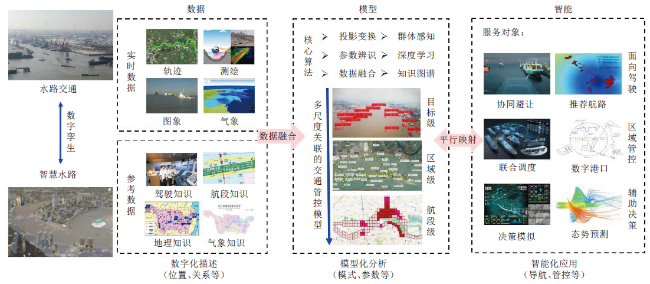
我国也在积极开发航运系统的智能管控平台。江苏段航运系统智能管控平台基于江苏海事全要素感知云服务数据中心,构建了水路交通场景数字化平行仿真模型,可推演预测多尺度条件下的交通流态势,可及时动态调整资源分配实现对通航要素的干预,致力于由“人盯死守”的传统海事监管方式向以智慧管理为核心的现代方式转变(如图8 所示)。
(3)长江水上应急指挥平台
长江水上应急指挥平台基于数字孪生技术,可展示事故现场处置情景,智能化记录搜救过程,提供智能指挥搜救、分析研判和决策功能,打造科学高效和快速反应的“指挥-现场”联动体系,实现由被动响应向主动预见的转变。
智能交通的发展涉及运载工具、交通基础设施、光电子信息、互联网等多个行业与技术领域的交叉、融合,其大规模应用需要多个行业和部门联动推进和协同发展。
2 技术挑战
尽管智能交通在交通运输工程领域的一些典型场景中得到了应用,但目前仍然面临巨大的技术挑战,主要体现在三方面:一是人工智能技术水平很难满足智能交通发展的需求;二是智能交通系统可靠性的验证;三是智能交通系统法规标准体系的建立和完善。
2.1 人工智能技术发展水平
人工智能(Artificial Intelligence, AI)的概念最早源于1956年在美国达特茅斯学院举办的夏季研讨会。近年来,得益于大数据和深度学习的发展,人工智能在单一的抽象博弈智能层面克服了人类社会的“知识积累性壁垒”局限[19],通过在规则活动中构建系统、严谨的认知模式,在交通、机械等领域实现了大规模应用,深刻影响了人们的工作和生活模式。
从功能水平来说,人工智能可分为弱人工智能、强人工智能和超级人工智能[20]。弱人工智能:执行基础的、特定场景下的角色型任务,例如,Siri聊天机器人、AlphaGo下棋机器人。强人工智能:执行人类水平的复杂任务,涉及机器的持续进化与学习。超级人工智能:比人类更聪明的机器智能。尽管人工智能技术已经在天气预报、自然语言处理、生物特性识别、医学检测分析等方面取得很好的应用效果,但仍然属于弱人工智能,其推理能力有限。2016年,特斯拉CEO马斯克表示,汽车在任何路况下进行自动驾驶的能力在两年内就可以实现。直到2021年,马斯克又表示,通用自动驾驶是一个如此艰难的任务,需要解决很大一部分现实世界的AI问题。事实上,当前的智能决策技术在面对复杂的驾驶任务时,与人类驾驶水平相比还有很大差距。
2.2 智能系统的可靠性验证
智能系统进入快速发展阶段依旧存在可靠性问题。系统可靠性一般是指规定时间和工况下,完成规定功能的能力/概率。统计数据显示:自2013年起至笔者撰稿时,特斯拉汽车共发生交通事故218起,造成14人死亡,82人受伤;谷歌报告显示在14个月的测试中,智能汽车共“主动脱离自动驾驶状态”272次,69次选择取消自动驾驶状态。快速、有效、准确的系统可靠性测试和评估技术,是保证智能系统发挥核心功能、降低系统不可预知风险的重要前提[21]。系统可靠性研究已得到智能系统领域学者的广泛关注。
首批试驾谷歌智能汽车的美国Medium科技总编Steven Levy表示:“无人驾驶汽车的大规模应用,我们现在也许到了95%,但最后的5%将会是漫长的路途”。这最后的5%,正是人工智能的“长尾问题”(Long-tail Problem)导致的。在自动驾驶领域,特殊天气条件下的部分感知信息缺失、特殊路段的部分传感器不稳定等不常见驾驶场景导致的“长尾问题”,限制了自动驾驶的可靠性及其量产应用,亟待提出完善的可靠性验证手段予以解决。
2.3 智能车、船系统法规标准体系
3 未来展望
交通系统正朝着绿色化、高效化、智能化和人性化的方向发展。绿色化,是指实现高能效、低排放的新一代交通系统;高效化,是指实现更便捷的融合交通系统,提高交通效率;智能化,是指突破载运工具、基础设施智能化关键技术,实现自主式交通系统;人性化,是指实现交通出行的定制化、一键化,提升交通出行的舒适性。
智能交通系统的未来发展趋势是自主式交通系统,即在没有足够的人类监督的情况下,可在变化的、不可预测的交通环境中“理性地行动”,或能在经验中学习,利用数据提升系统性能。自主式交通系统是由智能运载工具、智慧基础设施和云端智能交通组成,具有感知、交互、学习和执行能力,是一种协调完成单体智能、群体协同和整体优化的交通系统。
未来,须在《交通强国建设纲要》和《国家综合立体交通网规划纲要》的政策指引下,统筹各方力量,推动我国自主式交通系统发展,实现安全、便捷、高效、绿色、经济的综合交通运输体系。


